Cinnamon is one of those rare herbs that belongs equally to the kitchen, the apothecary, the household shrine, and the magical cupboard. It is familiar enough to feel ordinary, yet old enough and rich enough to carry an aura of mystery. Its scent suggests warmth, sweetness, fire, comfort, protection, prosperity, and welcome. In many households, cinnamon is simply a baking spice. In herbology and folk practice, however, it has long been treated as a warming botanical ally, a purifier, a luck-bringer, a love-and-prosperity herb, and a spice of blessing.
Botanically, cinnamon comes from the inner bark of trees in the genus Cinnamomum. What is sold as “cinnamon” may come from several related species. Ceylon cinnamon, often called “true cinnamon,” is usually associated with Cinnamomum verum, while cassia cinnamon, the stronger and more common supermarket variety in many places, comes from related species such as Cinnamomum cassia. Both are aromatic, warming, and useful, but they differ in flavor and chemistry. Cassia tends to be hotter, stronger, and more pungent, while Ceylon is usually lighter, sweeter, and more delicate. Cinnamon has been valued since antiquity as a culinary spice, aromatic substance, medicinal ingredient, incense material, ritual offering, and trade good. Its long history is part of its power: it has moved through kitchens, temples, marketplaces, healing traditions, and magical practices for centuries, carrying with it associations of warmth, sweetness, wealth, purification, and blessing.
In the home, cinnamon’s first magic is sensory. It changes the atmosphere of a room. A pot of simmering water with cinnamon sticks, orange peel, cloves, and apple skins can make a house feel warmer and more welcoming within minutes. This is not merely symbolic. Scent affects mood, memory, and perception. Cinnamon evokes the hearth because it is associated with baked goods, winter drinks, festive meals, family gatherings, and the comfort of being received. For a hearth-centered spiritual practice, that matters. A spice that makes a house feel like a home already carries devotional power.
In herbology, cinnamon is traditionally understood as warming, stimulating, drying, and moving. Folk herbalists have often used it in teas, syrups, foods, and tonics meant to support digestion, circulation, warmth, appetite, and recovery during cold weather. Traditional Chinese Medicine and other herbal systems have used cinnamon in formulas, especially where coldness, sluggishness, or digestive weakness were part of the pattern. In this sense, cinnamon belongs to the old household category of warming remedies: substances used not as dramatic cures, but as supports for comfort, movement, and vitality.
As folk medicine, cinnamon is best understood as a household support rather than a cure-all. A cup of cinnamon tea after a heavy meal, cinnamon in porridge on a cold morning, cinnamon and honey in warm water, or cinnamon added to spiced cider are all examples of traditional comfort medicine. These practices work partly through warmth, aroma, mild stimulation, and the emotional associations of care. In many families, the value of such remedies is not only chemical but relational. Someone prepares the drink. Someone receives care. The body is warmed. The spirit is soothed. The home becomes part of the healing process.
Modern wellness culture often promotes cinnamon for blood sugar, inflammation, weight loss, metabolism, and other health claims. There is research interest in these areas, but cinnamon should not be treated as a substitute for medical care or prescribed medication. Culinary cinnamon is generally safe for most people in normal food amounts, but problems can arise when people begin taking large spoonfuls, concentrated extracts, essential oil internally, or high-dose supplements without guidance. Cassia cinnamon in particular may contain more coumarin than Ceylon cinnamon, and excessive coumarin intake may be a concern for the liver. People with liver disease, those taking medications, pregnant people, children, and anyone using blood thinners or diabetes medication should be cautious. Cinnamon essential oil is especially potent and should not be used casually on the skin or taken internally. In magical and folk practice, a pinch, a stick, or a small amount in food is usually enough. More is not always better.
Magically, cinnamon is most commonly associated with fire, speed, success, prosperity, attraction, protection, purification, and blessing. Its heat gives it a fiery quality. Its sweetness gives it a drawing quality. Its costliness in the ancient world gives it a prosperity association. Its strong scent gives it a cleansing and commanding presence. Because of this combination, cinnamon often appears in spells and folk rites for money, business, luck, love, passion, courage, protection, and household harmony.
In prosperity magic, cinnamon is often used to “heat up” opportunity. A pinch may be added to a money bowl, placed with coins near a household shrine, dusted lightly around a green candle, or included in a charm bag with bay leaf, basil, cloves, allspice, or orange peel. Cinnamon is not usually a passive prosperity herb. It does not simply “hold” wealth; it stirs, quickens, attracts, and activates. For that reason, it is well suited to magic for finding work, increasing business, blessing a cash box, opening roads to opportunity, or strengthening the confidence needed to act.
One simple folk practice is the cinnamon threshold blessing. On the first day of the month, some people place a small amount of cinnamon in the palm of the hand, stand outside the front door, and blow it inward while speaking a blessing for prosperity, welcome, protection, and right relationship within the home. This should be done lightly and respectfully. A tiny pinch is enough. The purpose is not to coat the floor in spice, but to mark the threshold as a place where blessing enters. A HearthCraft-style version might say: “May warmth enter here. May honest work be blessed. May this home receive what it needs, share what it can, and keep away what would bring harm.”
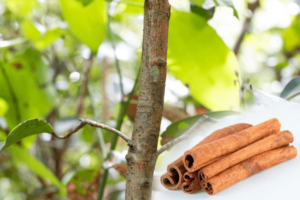
Cinnamon is also useful in home blessing. It may be added to a simmer pot before guests arrive, placed in a small bowl on the hearth or kitchen altar, tied into a bundle with dried orange slices and rosemary, or added to a floor wash in very small amounts. For a household blessing, cinnamon works well with rosemary for protection, bay for victory and blessing, clove for warding, orange for joy, and salt used indoors for purification. Outdoors, however, salt should usually be avoided because it can harm soil and plants. Cinnamon itself should also be used moderately outside, especially around pets, insects, and sensitive garden areas.
In protection work, cinnamon’s role is fiery and assertive. It is not the quiet boundary of stone or the deep ancestral protection of iron. It is more like a bright flame at the door. It says, “By hearth and flame, by spice and light, Guard this door by day and night.” Cinnamon sticks may be tied above a doorway with red thread, placed near a candle during a protection prayer, or included in a charm for courage. Powdered cinnamon can be messy and irritating if inhaled, so sticks are often better for physical charms and household use.
In love and attraction work, cinnamon should be handled ethically. Its warmth and sweetness make it a natural herb for passion, affection, confidence, and charm, but it should not be used to override another person’s will. A better use is self-blessing: warming one’s own heart, restoring courage, increasing confidence, sweetening speech, or blessing an existing relationship with renewed affection. Cinnamon in a shared dessert, a spiced drink, or a candle blessing for mutual warmth is more aligned with healthy folk practice than coercive love magic. A simple relationship blessing might combine cinnamon, honey, rose, and vanilla, with words focused on tenderness, honesty, desire, patience, and mutual joy.
Cinnamon also belongs to the magic of speech. Because it is warming and sweet, it can be used in rites for persuasive but honest communication. A writer might keep cinnamon near the desk when drafting something meant to inspire. A teacher might drink cinnamon tea before a lecture. A household might use cinnamon in a blessing before a difficult conversation, asking that words be truthful, warm, courageous, and not needlessly cruel. In this sense, cinnamon does not merely attract; it gives fire to the voice.
For devotional practice, cinnamon can be an offering of warmth. It may be offered at a household shrine during winter, at the beginning of a new venture, during a prosperity rite, or as part of a seasonal observance. A cinnamon stick placed beside a candle can symbolize the hearth-fire of the home. Cinnamon added to bread, cake, apples, or wine can become part of a shared feast offering. In ancestor practice, cinnamon may be especially appropriate when it evokes family recipes, holiday meals, or the remembered scent of a loved one’s kitchen.
In occult practice, cinnamon is sometimes used to speed results. This is one reason it is added to candle magic, incense, charm bags, and spell powders. A prosperity candle dressed with oil and rolled lightly in cinnamon may be used to quicken business. A written petition may be dusted with a trace of cinnamon before being folded and placed beneath a candle. A charm bag for courage might include cinnamon, black pepper, bay leaf, and a small piece of iron or hematite. The underlying principle is sympathetic: cinnamon burns hot, smells strong, wakes the senses, and therefore lends heat and movement to the working.
As incense, cinnamon is powerful but should be used carefully. Burning loose cinnamon powder can irritate the lungs, and many commercial incense blends are already strong. It is usually better to use cinnamon in blended incense, simmer pots, oils meant for scenting objects rather than skin, or whole-stick forms. Cinnamon essential oil should be treated with respect. It can irritate or burn skin if improperly diluted, and it should never be used around pets, children, pregnant people, or medically vulnerable people without careful knowledge. Magical potency is not an excuse for unsafe practice.
Cinnamon is also a useful herb for seasonal rites. At Samhain, it can warm ancestor offerings and remind the household that the dead are welcomed in love, not fear. At Yule, it belongs naturally to the returning light, spiced drinks, hearth fires, and the blessing of the home against winter darkness. At Imbolc, it can be used sparingly to awaken warmth beneath the cold. At Beltane, it may appear in passion and vitality rites. At harvest festivals, it belongs to apples, grain, baked goods, and gratitude. Cinnamon is not tied to one season alone; it is a bridge between abundance and warmth.
A simple cinnamon home blessing may be performed with a candle, a bowl of water, a cinnamon stick, and a piece of bread. Light the candle at the kitchen table or household shrine. Place the cinnamon beside it and say: “May this home be warmed by love, guarded by wisdom, and blessed by honest labor.” Touch the water and say: “May peace flow here.” Touch the bread and say: “May all who hunger be fed in body and spirit.” Lift the cinnamon and say: “May joy, courage, prosperity, and welcome dwell beneath this roof.” Let the candle burn safely for a short time, then place the cinnamon somewhere near the hearth, kitchen, or threshold.
A cinnamon prosperity bowl can be made with a small dish, a few coins, a bay leaf, a cinnamon stick, and a written intention. The intention should be practical and ethical: “May our household have enough for our needs, wisdom in our spending, generosity in our giving, and opportunity for honest increase.” Place the bowl somewhere respectful but not ostentatious. Add coins when able. Remove and refresh the contents periodically. The magic is not in pretending money will appear from nowhere. The magic is in aligning attention, gratitude, discipline, opportunity, and blessing.
A cinnamon protection charm for the door can be made by tying three cinnamon sticks with red, white, or black thread. Red may signify fire and vitality, white purification and blessing, black boundary and warding. As the sticks are tied, speak words such as: “Warmth within, harm without. Blessing within, malice without. Peace within, fear without.” Hang it above or beside the door, or place it near the entryway. Replace it when it feels stale, dusty, or spiritually spent.
For personal practice, cinnamon can be used as a morning blessing. Stir a little into coffee, tea, oats, or toast and say: “May I move through this day with warmth, courage, clarity, and good fortune.” This is simple, but simple rites repeated over time shape the soul. Hearth magic often works by repetition. The daily act becomes the devotional act. The ordinary meal becomes the altar.
Cinnamon’s deeper lesson is that warmth is sacred. A cold house can be made welcoming. A discouraged heart can be stirred. A stagnant situation can be quickened. A threshold can be blessed. A meal can become an offering. Cinnamon teaches that magic does not always arrive as thunder, trance, or spectacle. Sometimes it rises as steam from a cup, sweetness in bread, spice in the air, and the remembered knowledge that the hearth is one of humanity’s oldest temples.
Used wisely, cinnamon is a powerful ally of the home. It blesses without becoming solemn. It protects without becoming grim. It attracts without becoming greedy. It warms without needing to consume. In herbology, it reminds us of the body’s need for warmth and movement. In folk medicine, it recalls the old household arts of comfort and care. In magic, it brings fire, prosperity, courage, passion, and blessing. In Hearth practice, it belongs wherever the home is being made holy.